Horses are prey animals. This simple fact shapes everything they do on the track. Most bettors look at speed stats and jockey records. They miss what’s happening inside the horse’s mind. And that’s a mistake.
Understanding horse psychology isn’t just for trainers. It’s a betting edge. The way a horse acts before a race tells a story. Smart bettors learn to read that story.
How Horses Think: The Prey Animal Brain
Horses don’t think like humans. Their brains developed over millions of years to spot danger. They react fast. They run first and ask questions later. This instinct drives their behavior on race day. Every movement, every sound gets filtered through a survival lens.
A horse’s brain has two main modes. One is calm and focused. The other is flight mode. When a horse enters flight mode, its body changes. Heart rate goes up. Muscles tense. Blood flows to the legs. Digestion slows down. The horse becomes ready to run for its life. This can help or hurt performance (depending on timing). A horse in mild flight mode might run faster than usual. But a horse in full panic wastes energy on fear instead of speed.
The Role of the Amygdala in Race Performance
The amygdala controls fear responses. It’s like an alarm system in the brain. Some horses have a more sensitive alarm than others. A loud noise might trigger one horse but not another. Bettors who watch warm-ups can spot these differences.
Research from the University of Sydney’s equine behavior lab shows that horses with lower stress responses tend to perform more consistently. They don’t waste energy on fear. They save it for the race.
Fight, Flight, or Focus
Not every horse responds to stress the same way. Some shut down. Others get wild. The best racers channel stress into focus. You can see this in the paddock. A focused horse has alert ears. Its eyes are bright but calm. It moves with purpose.
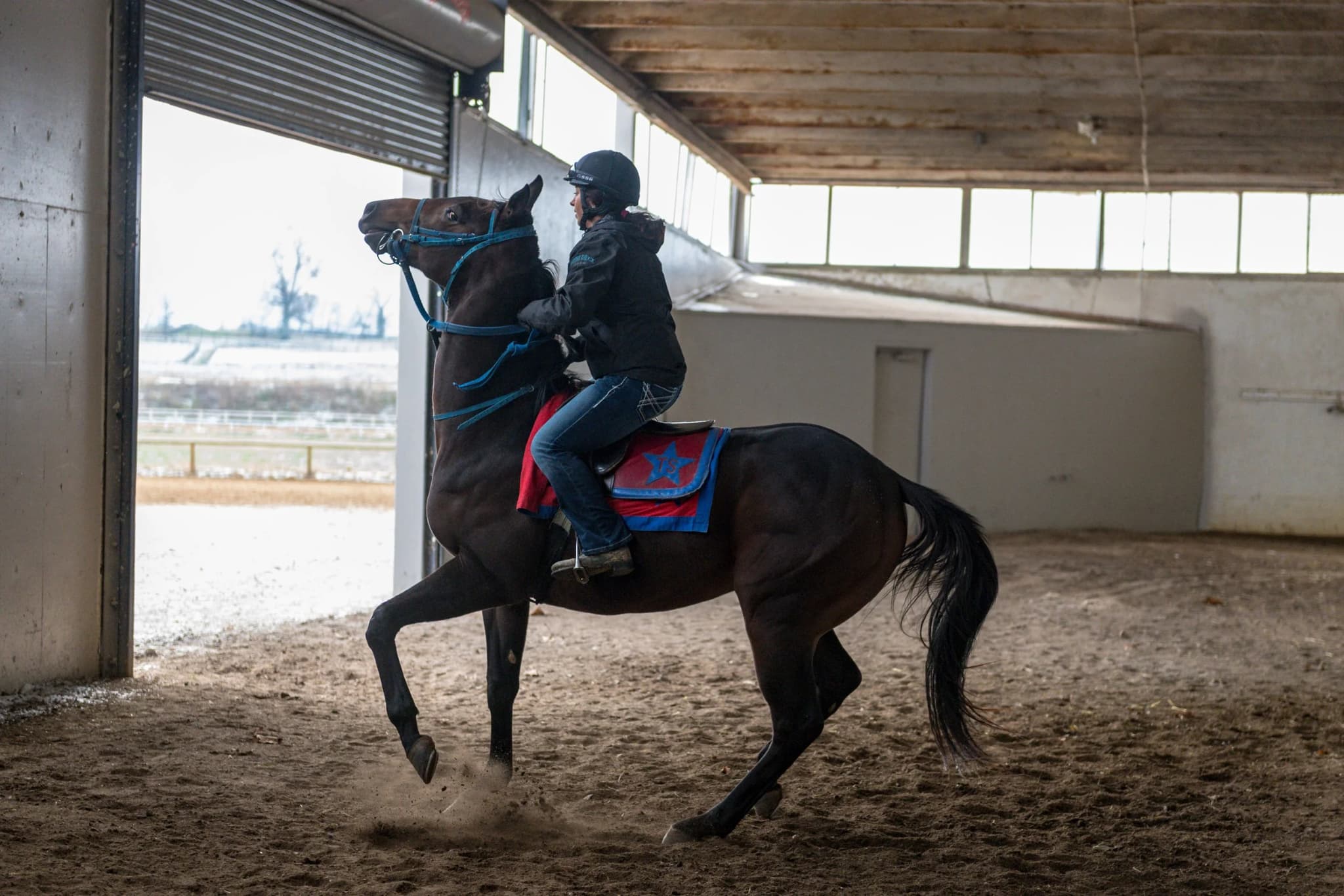
Nervous horses show different signs. They sweat too much. They prance without reason. Their heads stay high. These horses might run great or terrible. It’s a gamble within a gamble.
Pre-Race Behavior Patterns That Matter
The paddock is a goldmine of information. Most bettors walk past it. They look at their phones instead. Big mistake. What happens in the paddock often predicts what happens on the track. Trainers have known this for decades. Now bettors are catching on.
Horses show their mental state through small signs. A twitch here. A look there. These signals add up to a picture. That picture tells you if a horse is ready to run or ready to disappoint.
Reading Body Language Like a Pro
Ears tell the truth. Forward ears mean attention. Pinned back ears signal anger or fear. Ears that swivel constantly suggest a distracted mind. A horse needs focus to win. Distraction costs races.
Tail movement matters too. A relaxed tail hangs loose. A clamped tail shows tension. Some horses swish their tails when annoyed. Others do it when they’re ready to run. Context matters here.
The walk says a lot. Good horses move smoothly. Their steps are even. They look comfortable in their skin. A horse that moves stiffly might be sore. Or just nervous. Either way, it’s a red flag.
Sweating: Good or Bad?
Sweating before a race isn’t always bad news. Horses sweat to cool down. It’s natural. But the type of sweat matters. Normal sweat looks wet and shiny. Stress sweat is foamy. It shows up around the neck and flanks.
A little foam isn’t terrible. Some horses always get worked up. They still win. But heavy foam across the whole body? That’s a horse burning energy before the gate opens. It probably won’t have much left for the finish line.
The Herd Instinct on the Track
Horses evolved in herds. Safety came from numbers. This instinct doesn’t disappear on race day. It shows up in how horses run together. And smart bettors can use this knowledge. Why do some horses fade when they get the lead? Why do others refuse to pass their rivals? Psychology often holds the answer.
The position a horse prefers isn’t random. It connects to deep instincts about safety and survival. Understanding these preferences helps predict how a race might unfold.
Why Some Horses Need to Lead
Front-runners aren’t just fast. They’re often alpha types. These horses feel unsafe with others in front. They need to see what’s coming. So they push to the front. It’s instinct, not strategy.
But here’s the thing. Front-runners can burn out. They spend mental and physical energy staying ahead. If another horse challenges them, they might fight too hard too early. Or they might fold under pressure.
Stalkers and Closers: The Psychology of Patience
Some horses run better from behind. These aren’t submissive animals. They’re patient ones. They wait for their moment. Their instinct tells them to conserve energy. Then strike when the moment is right.
Closers need a different kind of mental strength. They have to ignore the herd running ahead. They have to trust their jockey. Not every horse can do this. The ones that can often produce those dramatic finishes bettors love.
For those interested in different racing formats, platforms like BetFury offer options beyond traditional thoroughbred events. Their harness racing section features standardbred racing, where horse psychology plays an equally important role. The gait differences in harness racing create unique behavioral patterns worth studying for serious handicappers.
Environmental Triggers and Performance
Horses notice everything. A plastic bag blowing across the track. A shadow in a strange place. A new sound from the crowd. These things can make or break a race. Bettors rarely think about them. But trainers do. They spend weeks getting horses used to race day conditions. Still, surprises happen.
The environment affects different horses in different ways. Some tune out distractions easily. Others can’t seem to let anything go. This variation creates betting opportunities for those who pay attention.
How Weather Affects Equine Minds
Rain changes more than track conditions. It changes how horses think. Some horses hate wet conditions. They tense up. Others don’t care at all. Track records from rainy days reveal these patterns over time.
Wind is another factor. Horses have excellent hearing. Strong wind creates strange sounds. It moves objects they don’t expect. Nervous horses struggle more on windy days. Calm horses often gain an edge.
The Crowd Factor
Big race days mean big crowds. More noise. More movement. More chaos. Some horses thrive on this energy. They seem to know something special is happening. Their performance actually improves.
Other horses can’t handle it. The atmosphere overwhelms them. They sweat too much. They burn out mentally before the race starts. Bettors who track performance at major events versus regular race days can spot these patterns.
What Jockeys Know About Horse Psychology
Good jockeys are horse psychologists. They learn to read their mounts in seconds. They adjust their approach based on what the horse tells them. This relationship matters more than most people realize. A horse and jockey who understand each other become something greater than the sum of their parts.
Race calls often credit the jockey’s decision making. But that decision making depends on reading the horse correctly. Did the horse want to go? Was it willing to wait? The answers come from feel, not thought.
Building Trust in the Saddle
A horse knows if its rider is nervous. They feel tension through the reins. Through the legs. Through body position. A confident jockey helps a nervous horse calm down. A nervous jockey can make things worse.
The best jockey-horse combinations develop real partnerships. The horse trusts the rider’s decisions. The rider knows when to push and when to wait. This chemistry doesn’t show up in statistics. But it wins races.
Reading the Horse During the Race
Jockeys make split-second decisions based on feel. Is the horse eager or tired? Fighting the bit or relaxed? Ready to accelerate or struggling to maintain speed? These feelings guide strategy in real time.
Sometimes a jockey asks for more and gets it. Sometimes they realize the horse has nothing left. The smart ones adjust. They don’t force a horse past its limits. Well, not usually anyway.
Putting Psychology Into Your Betting Strategy
Knowledge without action doesn’t pay. So how do bettors actually use this stuff? It starts with watching more and guessing less. Most handicappers spend hours studying past performance numbers. They spend minutes watching the actual horses. That ratio should probably flip.
The behavioral edge doesn’t replace traditional handicapping. It adds to it. Think of it as another data point. Sometimes the numbers say one thing and the horse says another. When that happens, pay attention.
Building a Paddock Routine
Get to the track early. Watch the horses in the paddock. Look for signs of stress or calm. Notice which ones move well. Which ones seem off. Write it down if you need to.
Compare what you see to past performances. Does this horse usually look nervous? Is today different? Changes from normal patterns often mean something. Good or bad.
Tracking Behavioral Patterns Over Time
One observation isn’t enough. Patterns take time to see. Keep notes on horses you bet often. How did they look before wins? Before losses? What conditions bring out their best?
Some horses improve as they mature mentally. Others peak early and fade. The physical decline gets noticed. The mental decline often doesn’t. Until it’s too late.
The Future of Equine Psychology in Racing
Technology is changing how we understand horse behavior. Heart rate monitors track stress in real time. Video analysis catches subtle movements humans miss. This data is becoming available to more people.
Bettors who embrace this information will probably have an edge. At least until everyone catches up. The psychology of racehorses has always mattered. We’re just getting better tools to measure it.
Racing remains unpredictable. Horses are living things with good days and bad days. But understanding their minds helps. It won’t guarantee wins. Nothing does. It just tips the odds a little more in your favor.