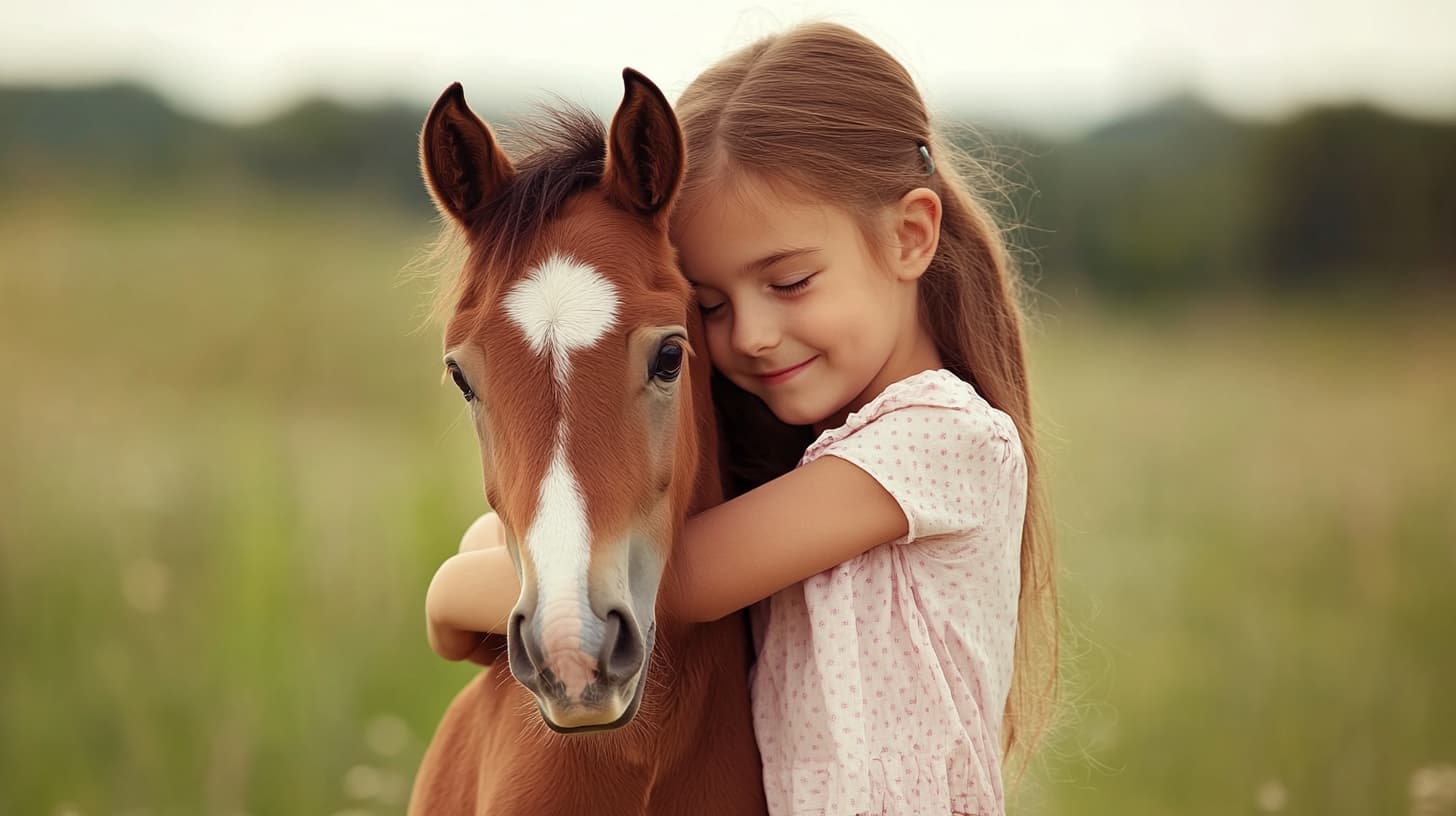
A foal is highly sensitive to new stimuli. Its reactions are shaped by early interactions. The first few weeks influence future behavior. A foal begins to observe humans from birth. Its perception of safety forms quickly. Trust begins with consistent presence. A foal learns to recognize voice and scent. Regular contact creates familiarity. Inconsistent attention […]
Search
Recent Posts
- The Difference Between Teaching Children and Adults in Equestrian Sports
- The Hidden Psychology of Racehorse Behavior: What Bettors Can Learn from Equine Instincts
- Understanding Horse Psychology: Reading Body Language & Building Trust
- List of Most Expensive Horse Breeds
- The Influence of Horses on Mental and Emotional Well-Being
Categories
In the equestrian world, theory ensures only 20% success. But theory is the foundation of your successful practice.